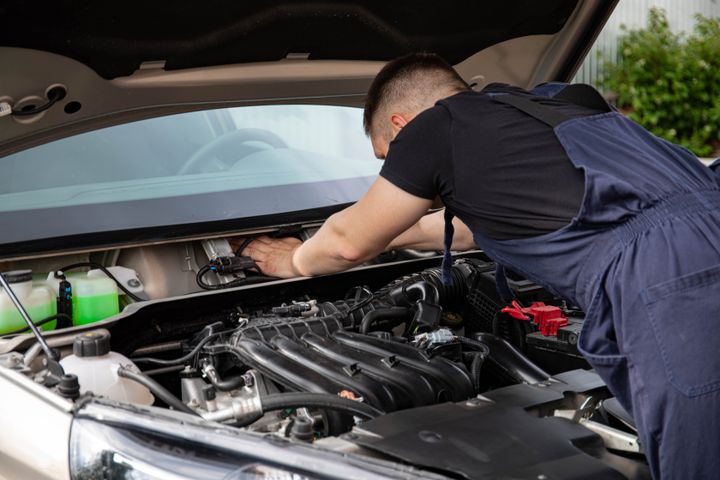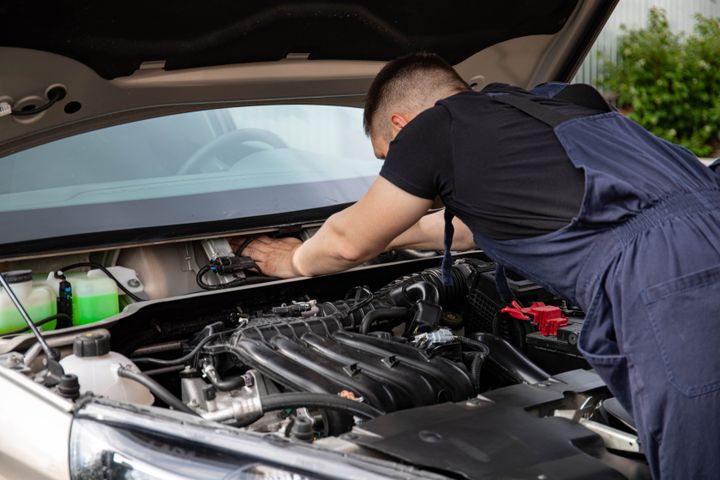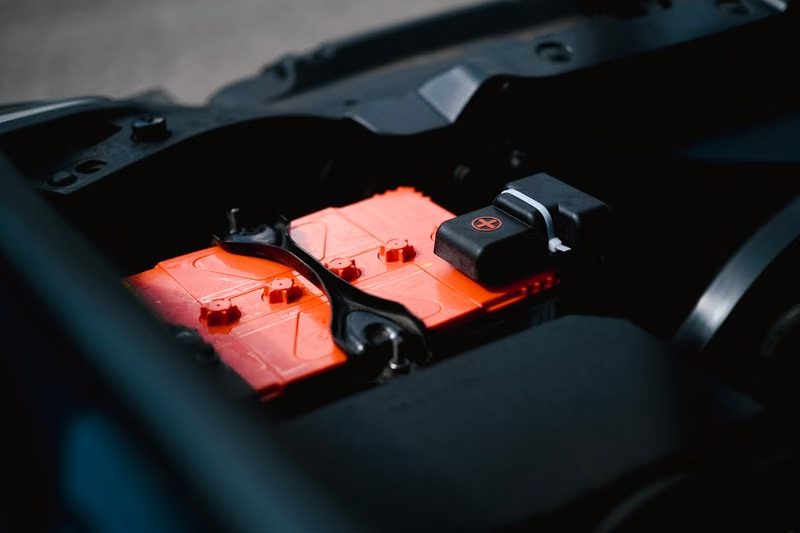
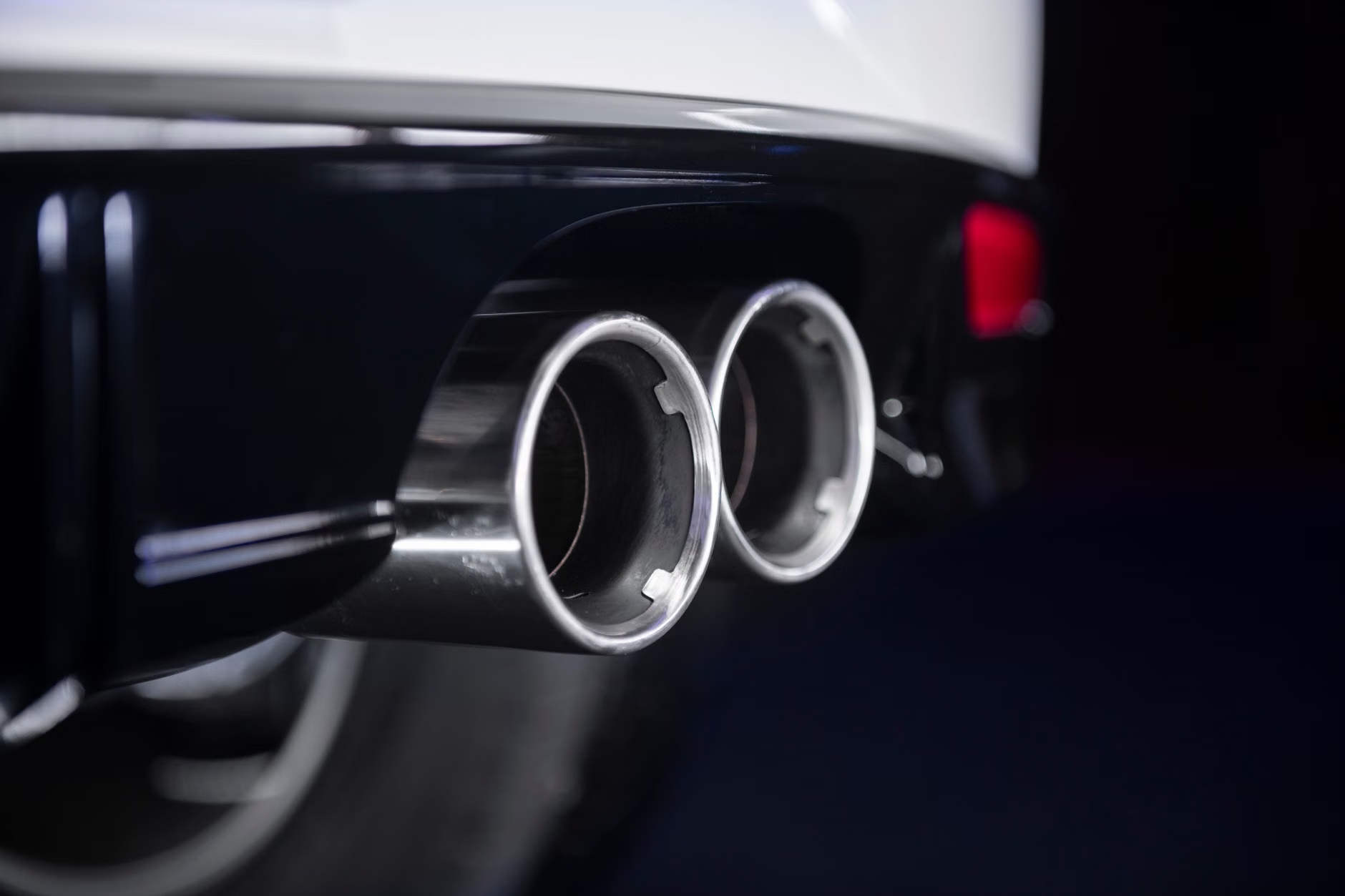
Modern diesel engines are equipped with complex emission control systems designed to minimize environmental impact. Among these, the Diesel Particulate Filter (DPF) serves as a critical component, trapping soot particles produced during the combustion process. However, when the engine control unit detects that the necessary parameters for cleaning this filter are not being met, it triggers the P246B diagnostic trouble code. This code specifically indicates that the vehicle conditions are currently incorrect for DPF regeneration to occur.
Understanding this fault requires a look into the delicate balance of heat, airflow, and engine load required to incinerate trapped soot. When a vehicle is relegated to short trips, city traffic, or frequent idling, the exhaust temperatures rarely reach the threshold necessary for passive or active regeneration. This guide explores the technical requirements for a successful regeneration cycle, the common pitfalls that lead to the P246B code, and the definitive steps to resolve the issue through a controlled highway driving procedure.
Understanding the P246B Fault Code
What triggers the P246B error code?
The P246B code is a generic powertrain diagnostic trouble code that points toward a failure in the DPF regeneration initiation process. Essentially, the engine management system has attempted to start a regeneration cycle—a process where the engine increases exhaust temperatures to burn off accumulated soot—but has aborted the process because the operational environment is unsuitable. This failure often stems from the vehicle not maintaining a consistent load or speed, which prevents the exhaust gas temperature (EGT) sensors from reading the high values needed to safely initiate the soot oxidation process.
Beyond simple driving patterns, the code can also be triggered by faulty sensor data. The engine computer relies on inputs from the differential pressure sensor, which measures the pressure drop across the DPF. If this sensor provides erratic or implausible data, the computer may incorrectly assume that the DPF is either already clean or too clogged to safely attempt regeneration. Consequently, the system locks out the regeneration function to protect the filter from thermal damage, resulting in the P246B code.
The role of the engine management system in DPF health
The engine control unit (ECU) is the mastermind behind the DPF lifecycle. It monitors the soot load by calculating variables like fuel injection quantity, air mass, and exhaust temperature. When the calculated soot mass reaches a specific threshold, the ECU activates an active regeneration phase by adjusting fuel injection timing, closing the intake throttle, and sometimes engaging auxiliary electrical loads to increase engine output.
When the P246B code is present, it signifies that the ECU's logic gates for these actions are not being satisfied. This might be due to the engine coolant temperature being too low, the fuel level being below a critical reserve, or the vehicle speed remaining too low for the required airflow. These safety interlocks exist to ensure that the regeneration process does not overheat the exhaust system, which could lead to catastrophic component failure or, in extreme cases, vehicle fires.
Diagnostic Requirements for Regeneration
Essential engine parameters for success
Before attempting a highway regeneration, it is vital to understand the specific environment the ECU requires. Most manufacturers mandate that the engine must be at full operating temperature. If the thermostat is stuck open and the engine is running cool, the system will never initiate a regen cycle. Furthermore, the engine must be running for a certain duration, typically at least 15 to 20 minutes, to ensure that the internal components have reached a stable state.
Another crucial parameter is the fuel level. Most vehicles will inhibit DPF regeneration if the fuel light is on or if the tank is below a 20 percent threshold. This is a precautionary measure because the regeneration process involves extra fuel injection, which increases consumption. If you are struggling with a persistent P246B code, ensuring the tank is at least half-full is a simple yet often overlooked troubleshooting step that can provide the ECU with the permission it needs to proceed.
Common sensor failures affecting regeneration
Sensors are the eyes and ears of the DPF system. A failing exhaust gas temperature sensor can cause the ECU to believe the exhaust is cooler than it actually is, leading to the P246B code. Similarly, the differential pressure sensor tubes can become clogged with condensation or soot, providing false pressure readings. If the pressure readings do not correlate with the engine load, the system will abort the regeneration attempt to avoid damage.
Diagnostic tools can be used to view live data streams while the vehicle is idling. By checking the pressure differential across the DPF, you can determine if the sensor is functioning correctly. If the value remains static regardless of engine speed, the sensor or its associated plumbing is likely compromised. Addressing these hardware faults is a prerequisite to clearing the P246B code; without accurate data, software-driven regeneration will remain impossible.
The Highway Regeneration Procedure
Step-by-step guide to manual highway regen
If your vehicle is not entering active regeneration due to city driving, a highway drive is the most effective way to clear the system. Start by ensuring the vehicle has a sufficient amount of fuel and that there are no other active engine codes, such as those related to the EGR valve or fuel injectors, which might inhibit the process. Choose a route that allows for sustained highway speeds for at least 30 to 45 minutes.
Once you are on the highway, maintain a steady speed, ideally between 50 and 70 mph (80 to 110 km/h). The goal is to keep the engine load consistent. Avoid stop-and-go traffic, as deceleration and idling will immediately drop the exhaust temperature and potentially cause the ECU to pause the regeneration. Many modern vehicles will perform a passive regeneration if the exhaust temperature stays high enough for a prolonged period, which will eventually allow the soot levels to drop and clear the P246B fault code.
How to monitor the process safely
While driving, you can monitor the effectiveness of the process if you have access to an OBD-II scan tool that supports live data. Look for the "DPF soot mass" or "DPF load" parameter. You should see this percentage gradually decline over the course of your drive. If the value remains constant or continues to rise, the filter may be too saturated for an active or passive regeneration to be effective, and a forced service regeneration via a diagnostic tool may be required.
Be aware of your vehicle's regeneration light or notification system. If a warning light appears on the dashboard indicating that the DPF is full, follow the owner's manual instructions immediately. Continuing to drive in a way that prevents the system from cleaning itself will eventually lead to a "limp mode" state, where the engine power is severely reduced to prevent the DPF from melting due to extreme soot accumulation.
Troubleshooting Persistent P246B Issues
When to seek professional diagnostic services
If you have completed multiple highway drives and the P246B code persists, the issue likely extends beyond simple driving habits. A professional diagnostic session is necessary to rule out mechanical failures within the emission system. Technicians use specialized software to trigger a forced regeneration, which forces the engine into a specific operating state to burn off soot while the vehicle is stationary in the workshop.
If a forced regeneration fails, the DPF may have reached the end of its service life. Over time, ash—a byproduct of oil consumption that cannot be burned off—accumulates in the filter. Unlike soot, which is carbon-based, ash is mineral-based and requires physical removal. In such cases, the DPF must be professionally cleaned using specialized equipment or replaced entirely to restore the vehicle to proper operating conditions.
The impact of engine oil and fuel additives
The type of engine oil used is critical for DPF longevity. Diesel engines require specific low-SAPS (Sulfated Ash, Phosphorus, and Sulfur) engine oils. Using the wrong oil can lead to rapid ash accumulation in the DPF, which will cause recurring P246B codes regardless of your driving habits. Always ensure that your engine oil meets the manufacturer's specific approval standards for DPF-equipped vehicles.
Fuel quality also plays a significant role. Low-quality diesel or fuel contaminated with water can lead to incomplete combustion, producing excessive soot that overwhelms the DPF's capacity. Using high-quality fuel and occasionally adding a DPF cleaner additive during long highway trips can help maintain the system. However, these additives are maintenance tools and cannot fix a system that is already experiencing a hard failure indicated by the P246B code.
Comparing Regeneration Methods
| Method | Conditions Required | Effectiveness |
|---|---|---|
| Passive Regeneration | High speed, high engine load | High (Continuous) |
| Active Regeneration | Consistent highway driving | High (Periodic) |
| Forced Regeneration | Shop tool, stationary | Very High (Corrective) |
| DPF Replacement | None | Absolute (Final) |
Conclusion
The P246B fault code serves as a diagnostic reminder that the complex emission systems in modern diesel vehicles require specific operational conditions to function correctly. By ensuring your vehicle maintains a healthy fuel level, avoiding excessive idling, and performing periodic highway drives to allow for active regeneration, you can prevent soot accumulation and avoid the complications associated with this error. While most instances can be resolved through consistent driving, persistent issues often indicate underlying sensor failures or excessive ash buildup that require professional intervention to preserve the integrity of your DPF and engine performance.
Frequently Asked Questions
Can I continue driving with the P246B code active?
You can drive for a short period, but you should address the issue immediately. If ignored, the soot level will continue to rise, eventually putting the engine into limp mode, which limits performance and can cause permanent damage to the DPF, leading to significantly higher repair costs.
Does the P246B code always mean the DPF is broken?
No. The code often indicates that the conditions for regeneration were not met. It is frequently caused by short-trip driving patterns or minor sensor inaccuracies rather than a physical failure of the filter itself.
Will a fuel additive clear the P246B code?
Additives can help improve combustion and keep the DPF cleaner, but they will not clear an active P246B fault code. The code must be cleared using a diagnostic scan tool once the underlying cause is addressed, or it may clear itself after several successful regeneration cycles.
How often should I perform a highway drive for DPF maintenance?
If you primarily drive in city traffic, it is recommended to take your vehicle on a highway trip at least once every two weeks or every 200 miles to allow the DPF system to complete an active regeneration cycle.
References
- Society of Automotive Engineers (SAE) - Diesel Emission Control Standards.
- Manufacturer Service Manuals for DPF Diagnostic Procedures.
- Environmental Protection Agency (EPA) - Diesel Particulate Filter Maintenance Guidelines.